Complete Plumbing Services: Assessing Your Plumbing Works Needs
Thorough plumbing services play an essential role in preserving the integrity of a home's plumbing system. These services involve identifying common issues, performing regular maintenance, and upgrading critical fixtures. By examining individual needs, plumbing professionals can offer personalized solutions that not only tackle current problems but also avoid future complications. Grasping these aspects can bring about substantial improvements in efficiency and safety. What are the common plumbing concerns that homeowners often overlook?
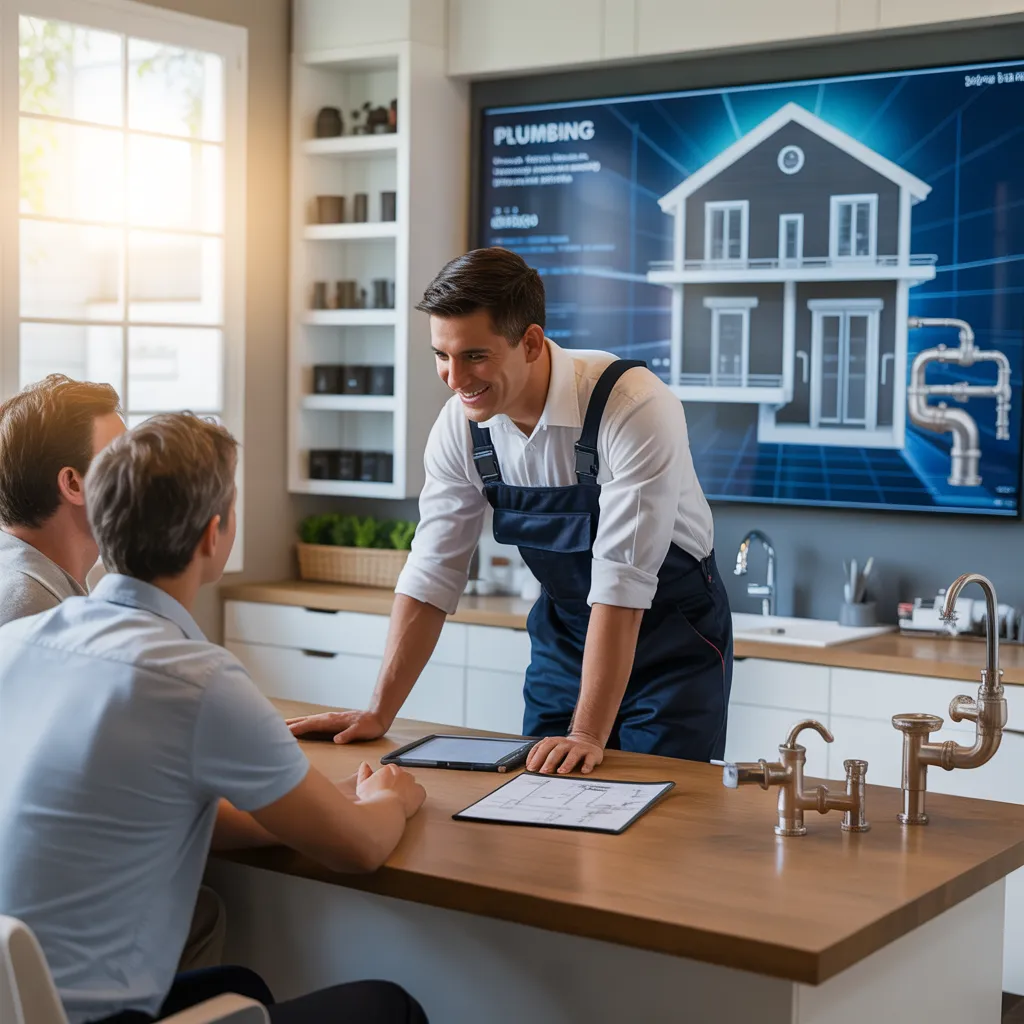
Understanding Frequent Plumbing Issues
Although many house owners could ignore the critical nature of their plumbing systems, grasping common plumbing issues is crucial for preserving a functional home. Regular problems include leaks, clogs, and low water pressure, each of which can lead to more serious complications if not handled promptly. Leaky faucets and pipes can cause water waste, causing higher utility bills and potential water damage. Clogs in sinks or toilets often result from accumulated debris, causing slow drainage or complete blockages. Low water pressure can originate from multiple factors, including pipe corrosion or municipal supply issues, disrupting daily activities. Furthermore, homeowners may come across issues with their water heater, such as inconsistent temperatures or strange noises. Identifying these issues early can preserve time and money, encouraging a better understanding of when professional plumbing assistance is required. Knowledge of these common plumbing problems prepares homeowners to take proactive measures in their maintenance efforts.
The Importance of Regular Maintenance
How often do homeowners think about the influence of regular plumbing maintenance on their overall home functionality? Numerous underestimate its importance, often resulting in costly repairs and inconveniences. Regular maintenance assists in pinpoint potential issues before they escalate, guaranteeing that plumbing systems operate efficiently. Routine inspections can detect leaks, corrosion, and blockages, which, if left unaddressed, can undermine the integrity of the entire plumbing system.
Furthermore, routine care can increase the life expectancy of plumbing fixtures, preserving homeowners money eventually. It also promotes water conservation, lowering utility bills and environmental impact. Regular maintenance promotes peace of mind, as homeowners can rest assured that their plumbing systems are in top condition. Overall, prioritizing plumbing maintenance is a proactive approach that not only preserves a home's infrastructure but also enhances its overall value and livability.
Urgent Plumbing Solutions: When You Should Act
When do homeowners need to request emergency plumbing services? Prompt response is critical when encountering significant water leaks, fractured piping, or overflowing toilets. Such circumstances can cause widespread water damage and present risks to health and safety. Homeowners should also consider emergency services if they face a backed-up sewer, as this can create unhygienic situations and demand urgent care.
Another crucial situation includes the sudden loss of hot water, specifically in colder months, which can disturb daily routines and comfort. Furthermore, if a plumbing issue arises outside of regular business hours, delaying action may worsen the situation.
Home occupants must examine the severity and potential consequences of the plumbing concern. If there is any question, it is best to err on the side of caution and contact emergency plumbing services, ensuring that the problem is dealt with quickly and professionally. Being proactive can avert further complications and costly repairs down the line.
Enhancing Home Fixtures and Appliances
Upgrading fixtures and appliances can significantly boost a property's functionality and aesthetic appeal, especially when considering energy-efficient options. Homeowners often realize that modern fixtures, such as faucets, showerheads, and toilets, can enhance water flow and lower overall consumption. These upgrades not only foster a more pleasant living environment but also support sustainability.
In addition, swapping out outdated appliances such as dishwashers and washing machines with modern models can generate notable savings on utility bills. A variety of today's appliances are created with cutting-edge technology that increases performance while lowering power and water use.
Additionally, picking stylish fixtures can enhance the design of kitchens and bathrooms, making them more appealing spaces. For those aiming to increase their home's value, upgrading these crucial elements is a strategic investment. On the whole, thoughtful upgrades can provide both instant benefits and long-term savings, making them a smart consideration for any homeowner.
Green Plumbing Options
Sustainable plumbing systems are becoming more important in modern home design. Eco-conscious material selections and water conservation practices not only lower environmental impact but also increase efficiency. These practices represent a growing devotion to sustainability in the plumbing industry.
Eco-Friendly Product Options
An increasing number of homeowners and businesses are adopting sustainable material alternatives for plumbing applications, acknowledging the environmental benefits and long-term cost savings they provide. Eco-friendly materials such as PEX (cross-linked polyethylene) and essential information reclaimed copper are becoming progressively popular. PEX is lightweight, resistant to corrosion, and requires less energy to create compared to standard materials. Reclaimed copper not only minimizes waste but also preserves durability and efficiency. Moreover, biodegradable pipe insulation and low-VOC (volatile organic compounds) adhesives promote healthier indoor environments. By opting for these sustainable choices, property owners can significantly reduce their carbon footprint while maintaining reliable plumbing systems. Adopting such materials reflects a commitment to sustainability and responsible resource management in the plumbing industry.
Strategies for Water Conservation
While countless homeowners strive to minimize their water usage, adopting successful water conservation techniques in plumbing systems can produce notable savings and environmental benefits. One widespread technique is the installation of low-flow fixtures, including faucets, showerheads, and toilets, which dramatically decrease water use without compromising performance. Additionally, using dual-flush toilets lets users to pick between different flush volumes, further minimizing unnecessary water waste. Rain harvesting setups can function as an eco-friendly solution, capturing and storing rainfall for irrigation or non-potable uses. Routine upkeep, involving fixing leaks and checking for pipe deterioration, confirms the plumbing system operates efficiently. By integrating these strategies, homeowners contribute to sustainable living while cutting their water bills.
Finding the Right Plumbing Specialist
How can one guarantee they are selecting the right plumbing professional? To make an informed choice, homeowners should start by checking credentials and licenses. A certified plumber will possess the essential qualifications to ensure compliance with local regulations. Moreover, obtaining recommendations from family or friends can provide useful insights into a plumber's trustworthiness and dependability.
Customer reviews and testimonials additionally function as valuable tools for assessing previous work quality. Once a shortlist is created, it is advisable to request estimates from multiple professionals to compare pricing and services offered. Conducting personal conversations can aid in assessing a plumber's competence and commitment to resolving specific problems.
Lastly, confirming insurance coverage protects against potential liabilities throughout the job. By following these steps, one can confidently select a plumbing professional who fulfills their needs and guarantees satisfactory service.
FAQ
How Can I Identify Hidden Plumbing Leaks in My House?
To identify hidden plumbing leaks, it's important to regularly monitor water bills for abnormal increases, inspect wall and ceiling surfaces for wet spots, listen for dripping sounds, and use moisture meters or hire specialists for detailed assessments.
What Are the Indicators I Need a Total Plumbing System Replacement?
Warning signs of a full plumbing system overhaul include regular leaks, low water pressure, discolored water, frequent clogs, and ongoing odors. Furthermore, aging pipes and continual repairs can signify the need for a full replacement.
How Regularly Should I Examine My Plumbing for Potential Concerns?
Experts recommend inspecting plumbing systems at least once annually. Regular checks help identify underlying concerns early, preventing high-cost restorations and ensuring maximum efficiency. Homeowners should remain vigilant for leaks, deterioration, and abnormal pressure fluctuations.
Can I Handle Minor Plumbing Repairs Myself, or Should I Hire a Pro?
People can often take care of minor plumbing repairs independently if they possess basic tools and understanding. Nonetheless, for more complex issues or doubts, hiring a professional plumber is wise to avert potential damage or complications.
What Are the Expenses Related to New Plumbing Fixture Installation?
The expenses related to installing new plumbing fixtures typically vary from $100 to $2,500, depending on the style of fixture, intricacy of the installation, and local labor rates, incorporating materials and any additional plumbing work needed.